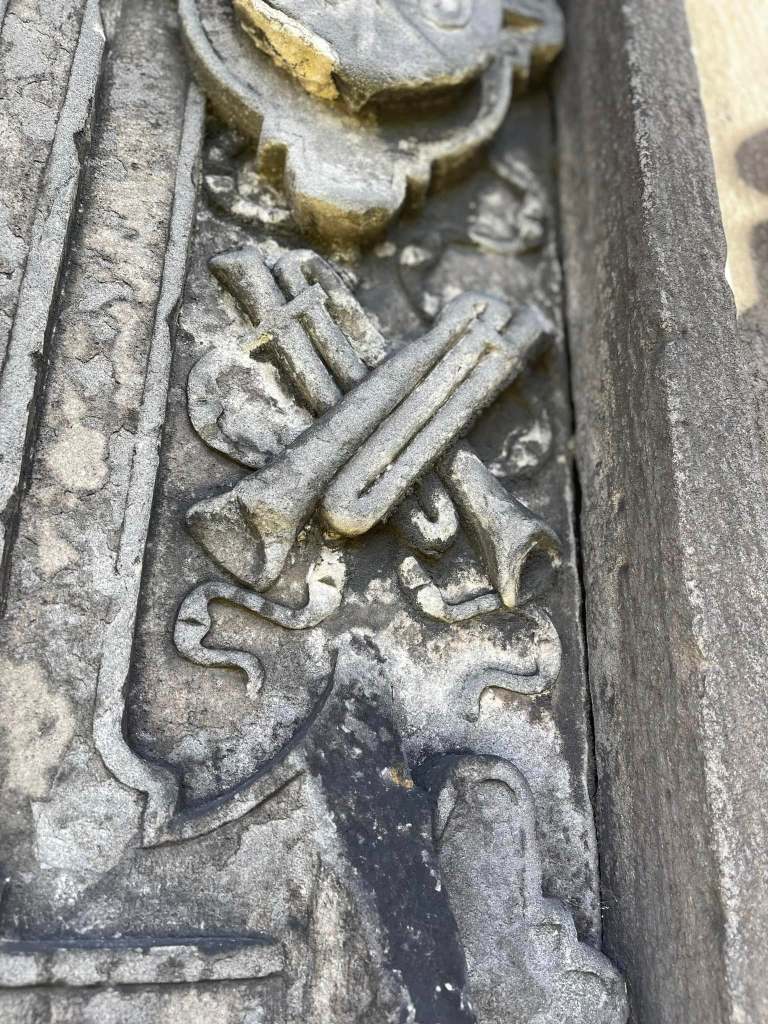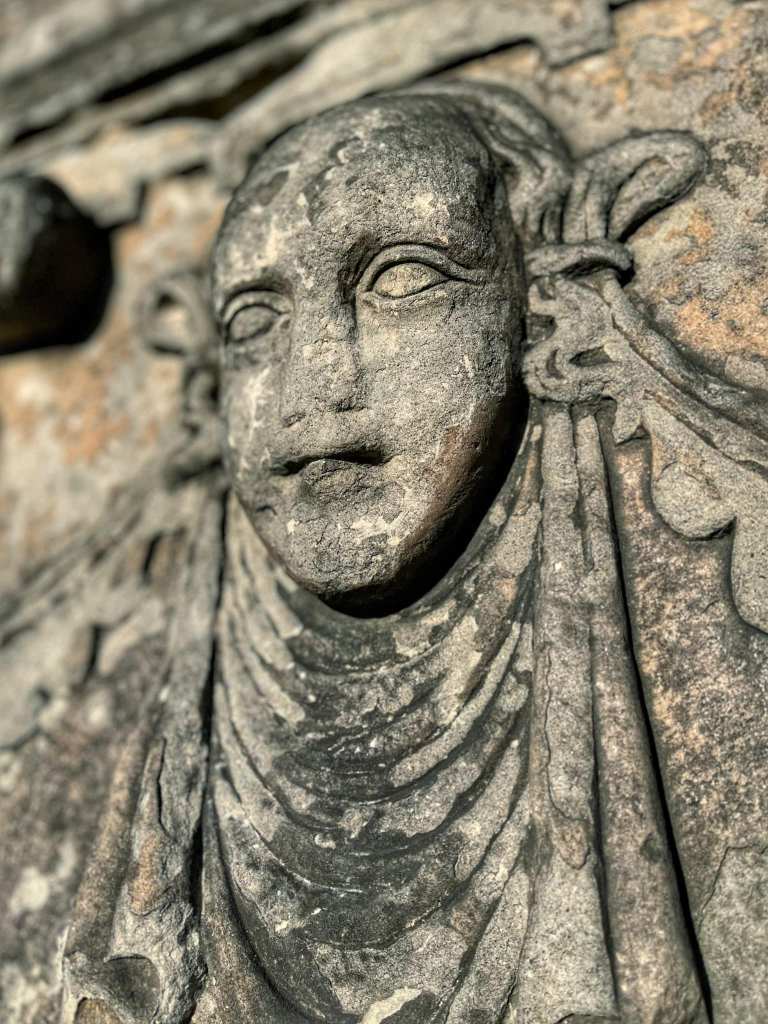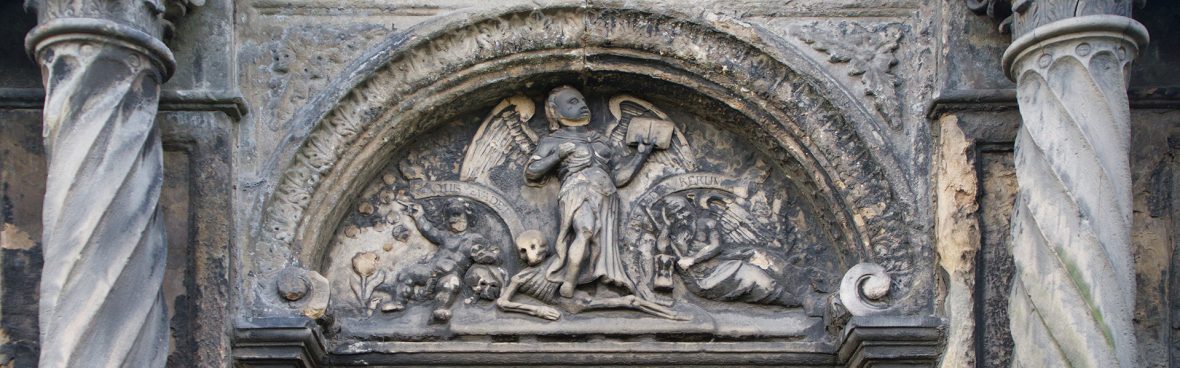
Tailour family memorial stone, Greyfriars Kirkyard, Edinburgh
Events, History, People

The Tailour Family Memorial Stone

There are countless tales to be found, hiding in plain sight around Greyfriars Kirkyard. Here is just one more example.

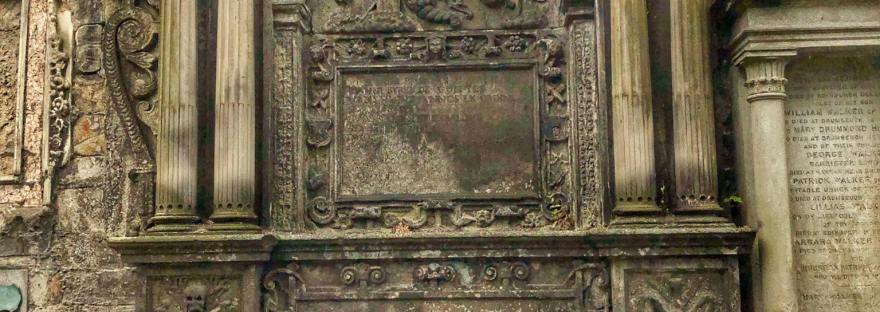
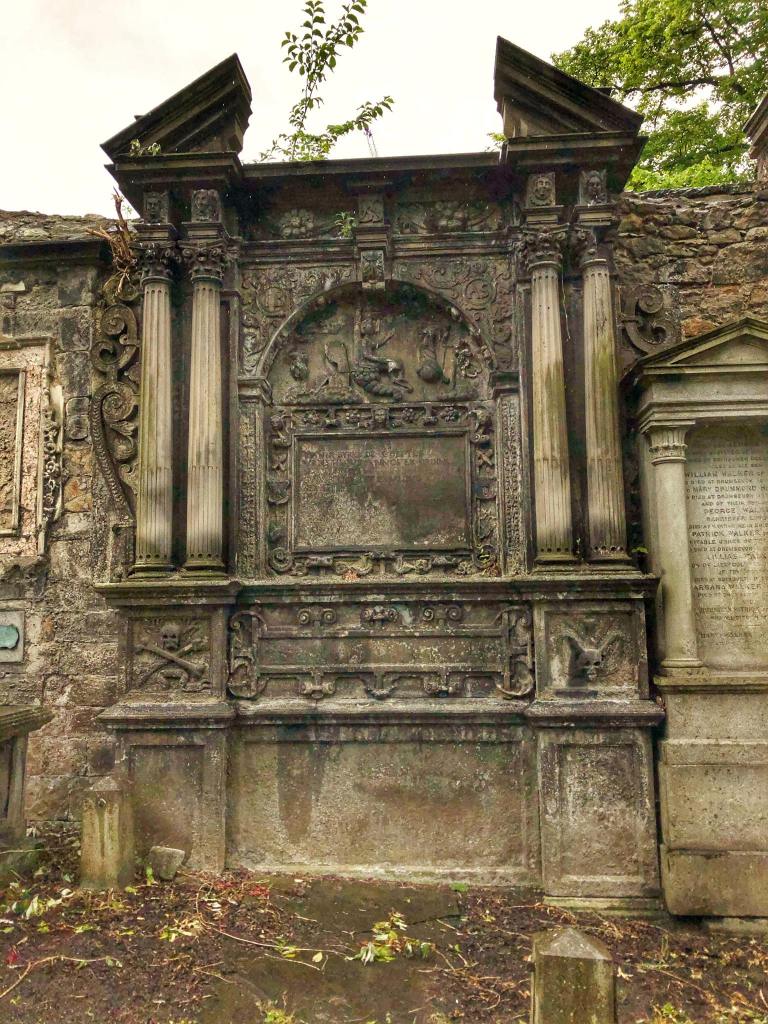
On the North Wall of the West Yard of the Kirkyard is a memorial stone for the Tailour Family. Included on the inscription are the words :

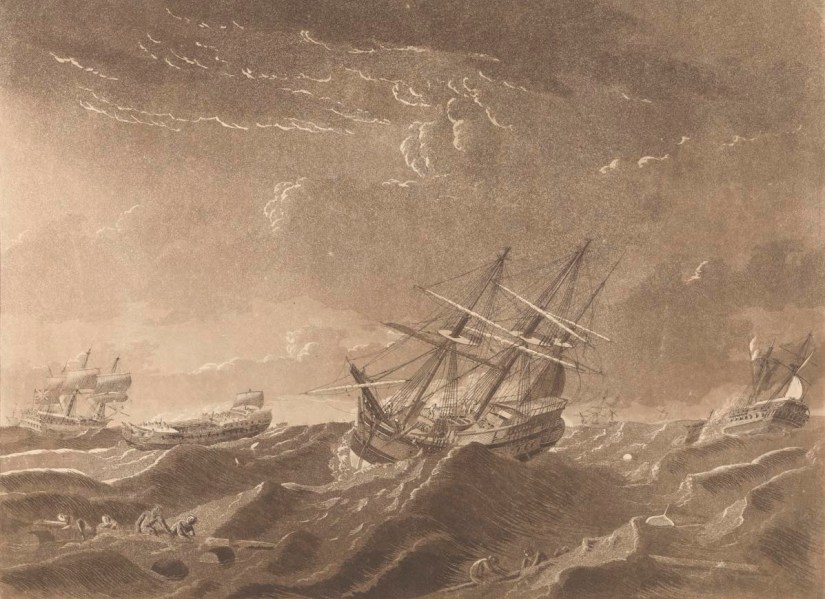
“Queely Davies, the third son of Doctor Tailour, a Lieutenant in the 92nd Regiment, was lost in the Glorieux when that ship foundered at sea in the fatal gale of September 1792”.

This short inscription opens up a story of the worst ever loss of life incurred by the British Navy & Merchant Navy in a single storm. HMS Glorieux was a French naval ship that had, together with other French ships, recently been captured by the British in the Caribbean. These ships were all in poor condition and there was a serious shortage of sailors to crew them. But the fateful decision was made to sail these ships back to Britain in a flotilla, during hurricane season. They sailed up the East coast of North America then on reaching Newfoundland they struck out across the Atlantic. On 17 September 1782, the fleet was caught in an extremely violent storm off the Grand Banks of Newfoundland. Most of the ships were unable to prevent the storm ripping off their masts and bursting open their weakened hulls. In total almost 3,500 British sailors drowned and a dozen ships were lost in the infamous storm, including HMS Glorieux on which Lieutenant Queely Davies Tailour was sailing.

Other members of the same family died at Calcutta in India and St Vincent in the Caribbean. The 18th century was an age in which so many Scottish people spread out across the world, seeking to advance themselves by serving in the armed forces or working in overseas ventures, where they met their end so never to return to their native land.
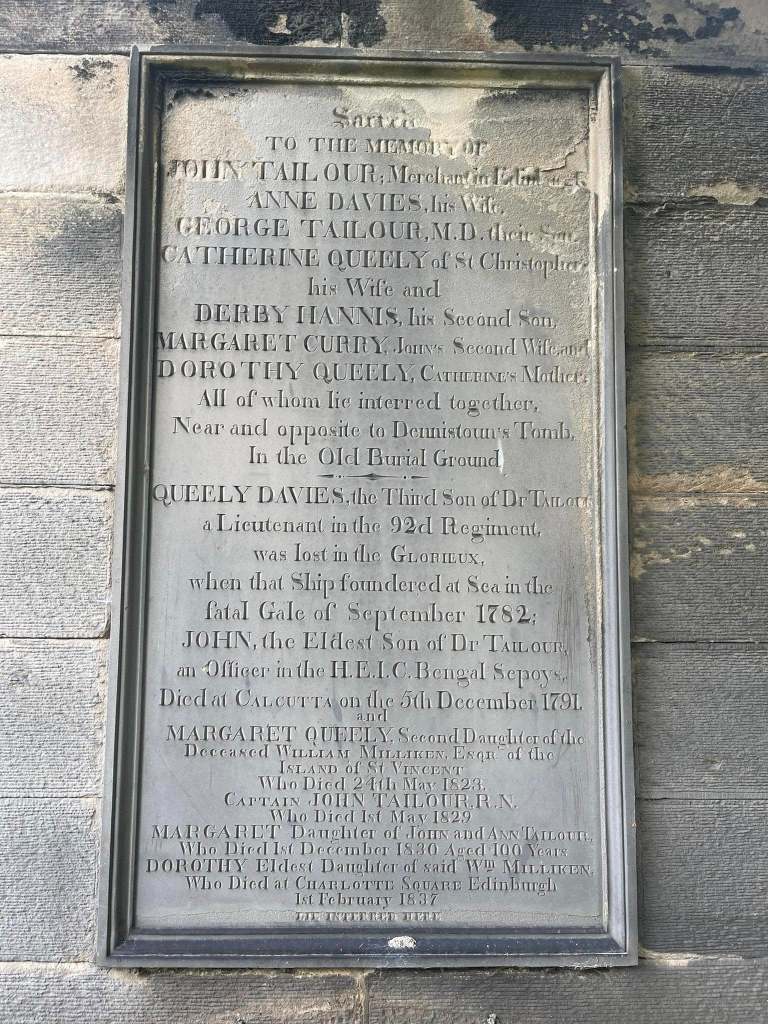
Tailour family memorial stone, Greyfriars Kirkyard, Edinburgh
Tailour family memorial stone
The Morning after the Storm, with the distressed situation of the Centaur, Ville de Paris and the Glorieux as seen from the Lady Juliana
The Museum of Edinburgh, at Huntly House on Cannongate, Edinburgh
History, People, Symbolism

The Museum of Edinburgh

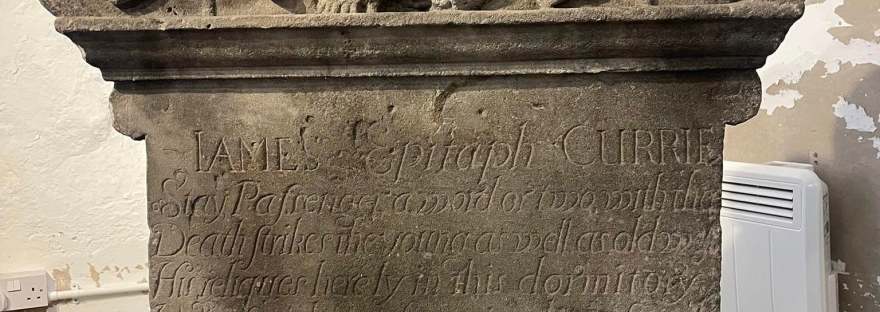
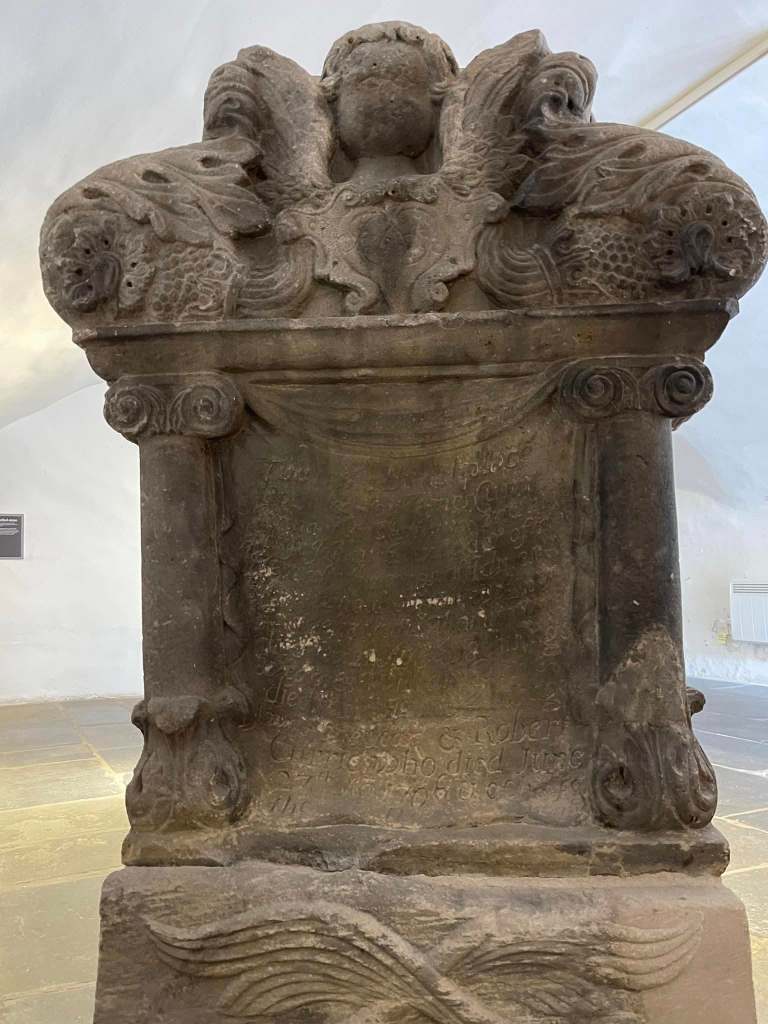
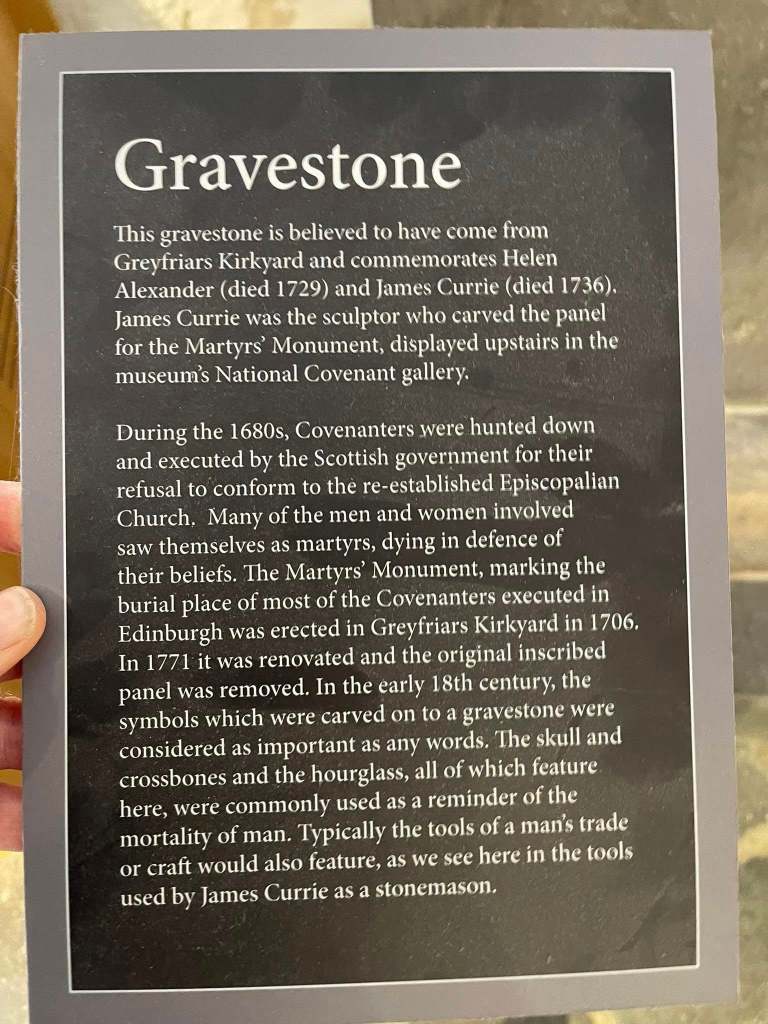
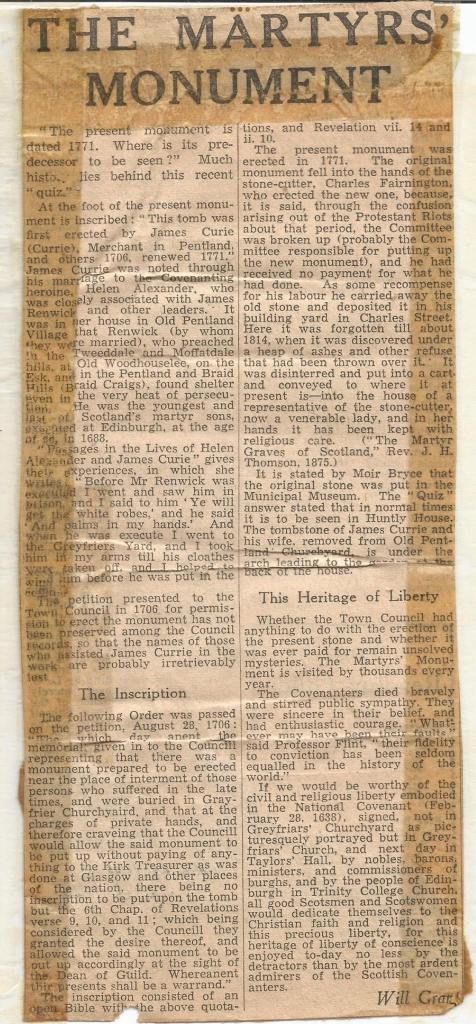
The Museum of Edinburgh at Huntly House on Cannongate has a gravestone which they believe was originally at Greyfriars Kirkyard. The gravestone records the names, ages and years of death as Helen Alexander, who died in 1729 aged 75 years & her husband, James Currie, who died in 1736 aged 80 years. The museum notice accompanying this gravestone provides a few inaccurate statements about it. It says this gravestone was believed to have originally been raised at Greyfriars and that James Currie was a Stonemason who carved the Covenanters Martyrs Monument at Greyfriars and that the gravestone features tools of a Stonemason. Non of these statements appear to be correct.

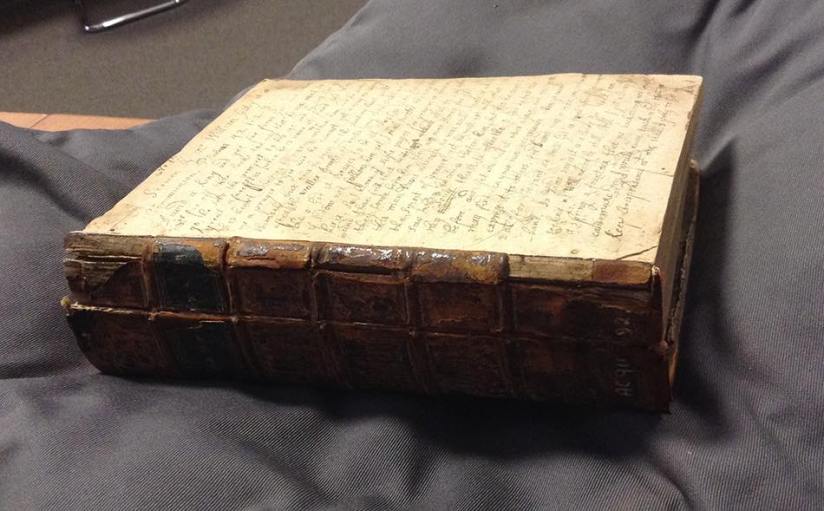
James was not a Stonemason, but a successful Merchant and together with his Wife, Helen, they collected a large number of testaments from Covenanters facing the death penalty in Edinburgh. This collection included sermons, speeches, writings and comments by many Covenanters dating from the 1650’s through to the 1690’s. James published this collection in a book that ran to over 780 pages.

James & Helen were primarily responsible for raising the first Martyrs Monument at Greyfriars. They came up with the idea, petitioned the Council, raised the funding and quite possibly drafted the inscription.

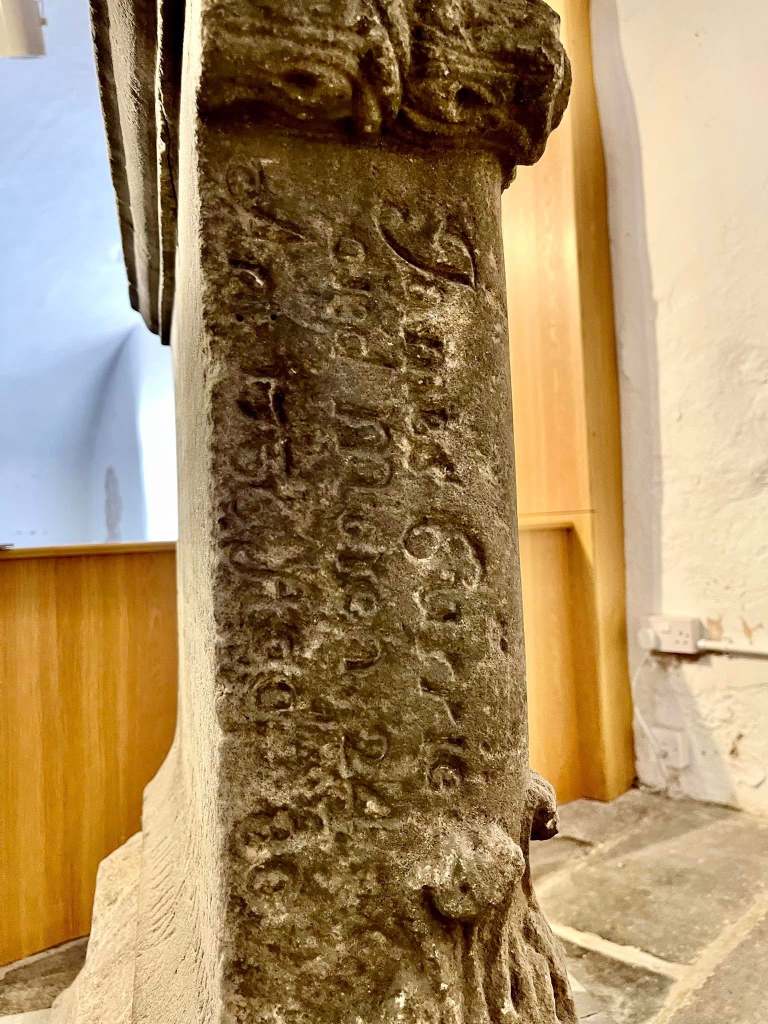
They died at the grand ages of 75 & 80 respectively and were buried in their Parish at Old Pentland. Their gravestone is an impressive example of the type produced in the 1730’s, carved on all 4 faces. Such headstones were not allowed at Greyfriars in that period as only mural (wall mounted) monuments and burial lairs were allowed arranged around the perimeter of the burial ground, with no freestanding headstones allowed on the grass until around 1750. This was because the volume of burials at Greyfriars was so great, headstones would have got in the way. The headstone symbols on James & Helen’s stones are the standard Memento Mori, skull, cross bones, scythe, with the gravedigger’s tools of spade, turf cutter & pick axe. The museum appears to have mistaken these for the tools of a Stonemason.
Attached are photos of each face of the headstone, plus the information panel. A photo of the book James & Helen published together with a newspaper article that recounts their story.

The Museum of Edinburgh, at Huntly House on Cannongate, Edinburgh
The Bayne Mausoleum, Greyfriars Kirkyard, Edinburgh
Conservation

Repairs to the Bayne Mausoleum

Today was a day of a great team effort & outstanding progress on the repairs to the Bayne Mausoleum.

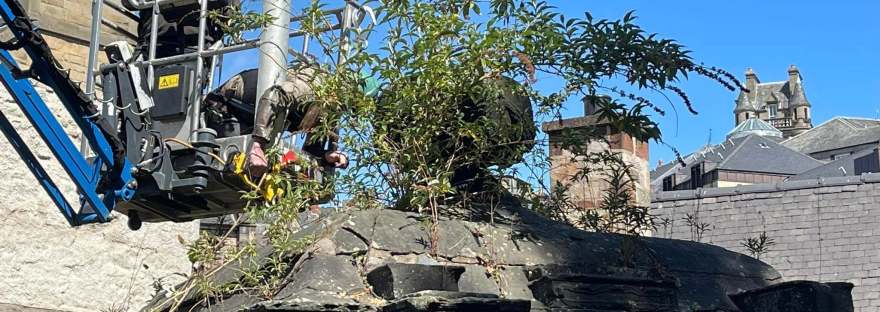
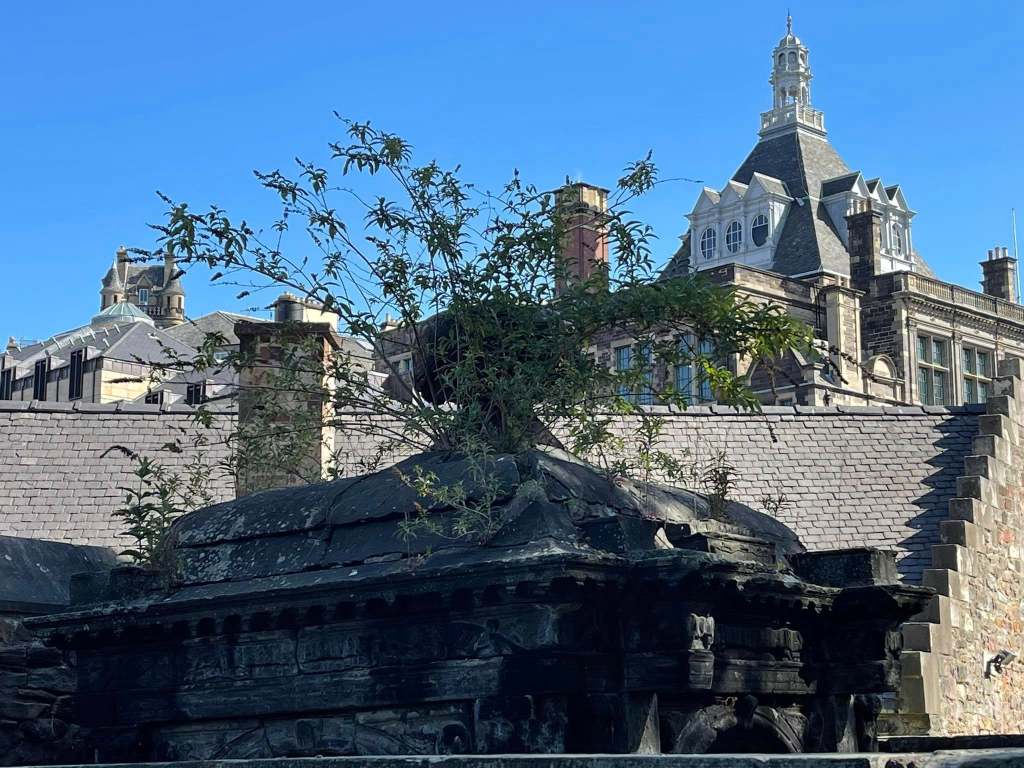
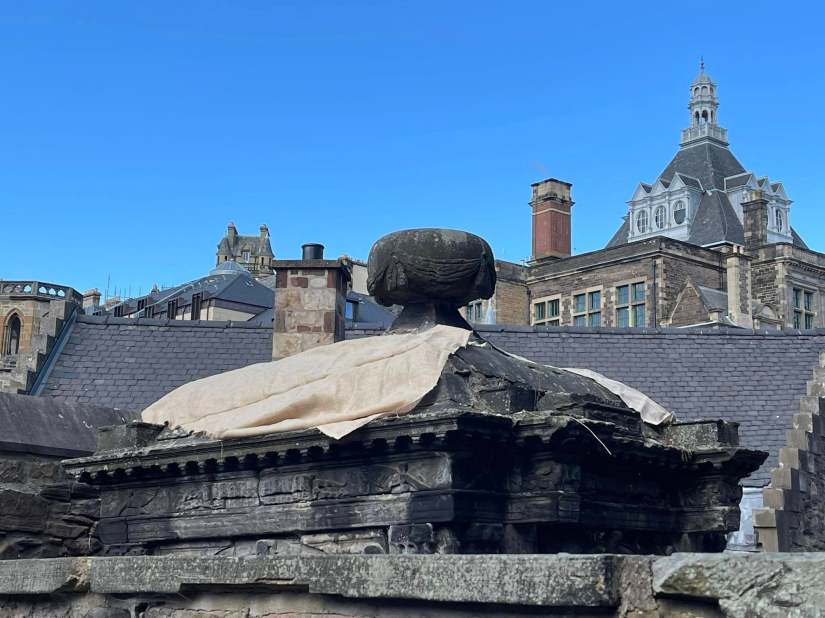
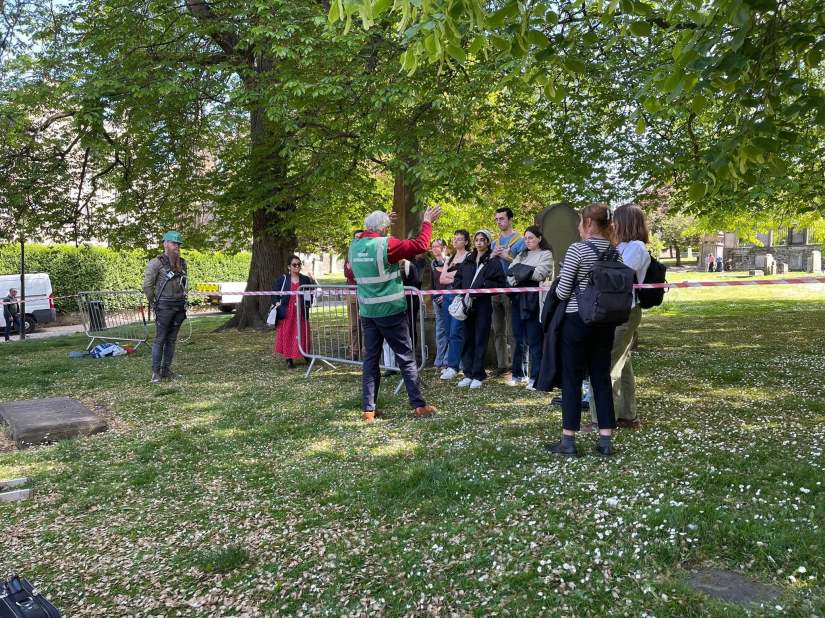
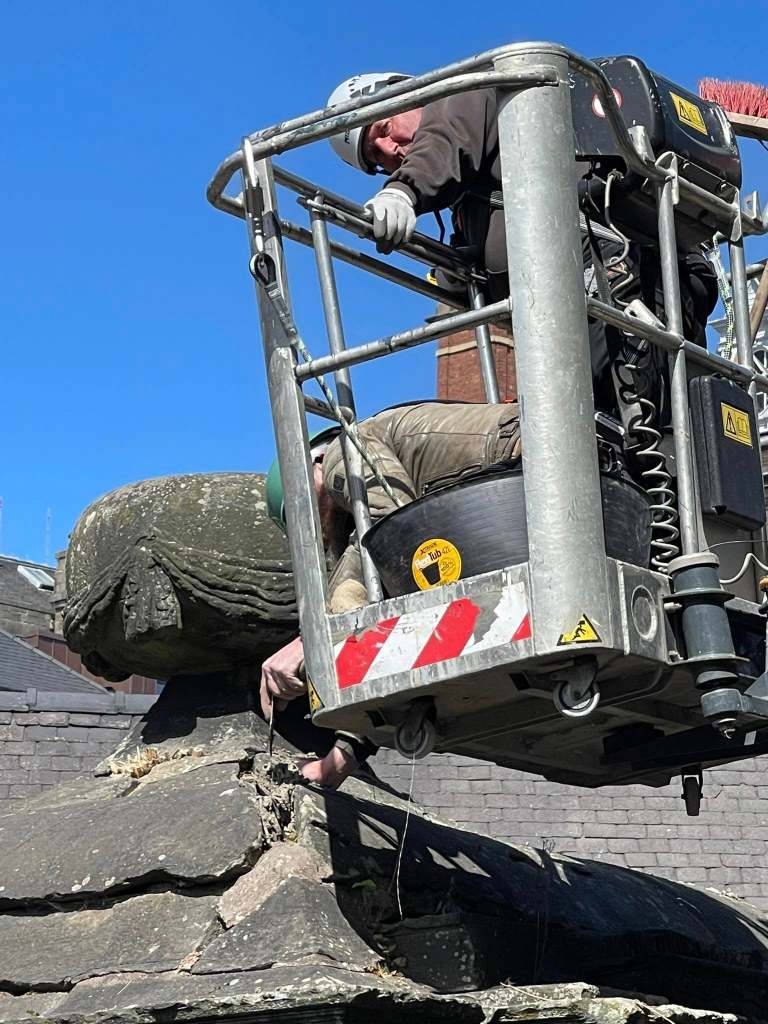
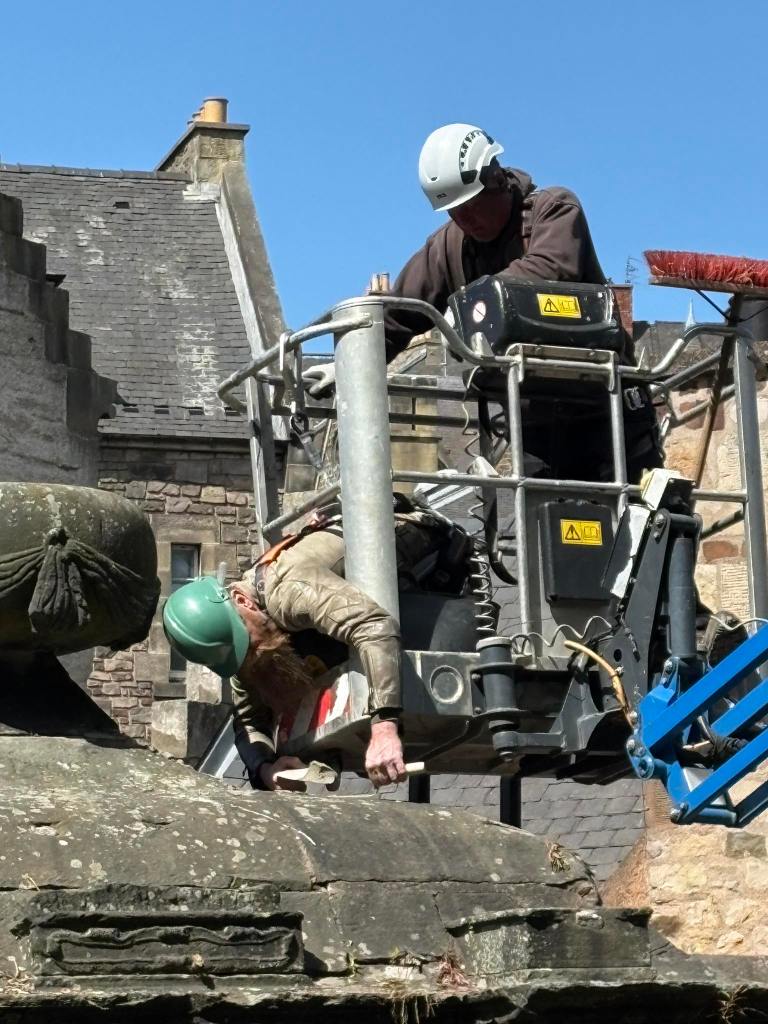
Bayne has long suffered from particularly invasive Buddleia that has pushed apart the stone blocks making up the canopy. This has led to water ingress which has accelerated the rate of deterioration of the carved stonework, as well as damaging its structural integrity. As a result Edinburgh World Heritage, Edinburgh Bereavment Services, Nic Boyes Stone Conservationist & The Friends of Greyfriars Kirkyard have been working together to plan & carryout repairs to remove the Buddleia and seal up the joints with lime mortar. This required the use of a Cherry Picker and coordination of all of the people & materials required to carry out this work in a very busy Kirkyard. The opportunity was also taken to give a talk to students studying Stone Conservation at Edinburgh University to explain the process of assessing the condition of the Mausoleum, plan the work and carry it out.

Everything went really well today and we can celebrate a material improvement to the condition of the Bayne. Further work will be carried out in coming days to complete the task and remove buddleia from other monuments.

Great thanks are due to Susan Buckham & her colleagues at Edinburgh World Heritage plus Paul, Kevin, Kevin, Mark, Andy & Jane at Edinburgh Bereavment Services who worked together to plan, fund and execute the work. And particular thanks to Nic Boyes who worked tirelessly all day in a highly professional manner to get the job done. The Friends of Greyfriars (Chris & Liz in particular) supported, encouraged and informed the work in many ways too, including some funding. I hope you all agree that this is a good use of our resources.

We can all feel proud of this progress and it builds our confidence & commitment to see more conservation in the Kirkyard in future.

The Bayne Mausoleum, Greyfriars Kirkyard, Edinburgh

9am this morning shows how extensive the buddleia had become and the extent of movement in the stonework

The Bayne Mausoleum, Greyfriars Kirkyard, Edinburgh

4pm this afternoon. The buddleia is all gone, the joints have been filled with lime mortar and the whole covered over in hessian to aid its drying and bonding with the stonework, creating a stronger and more water tight structure.

The Bayne Mausoleum, Greyfriars Kirkyard, Edinburgh

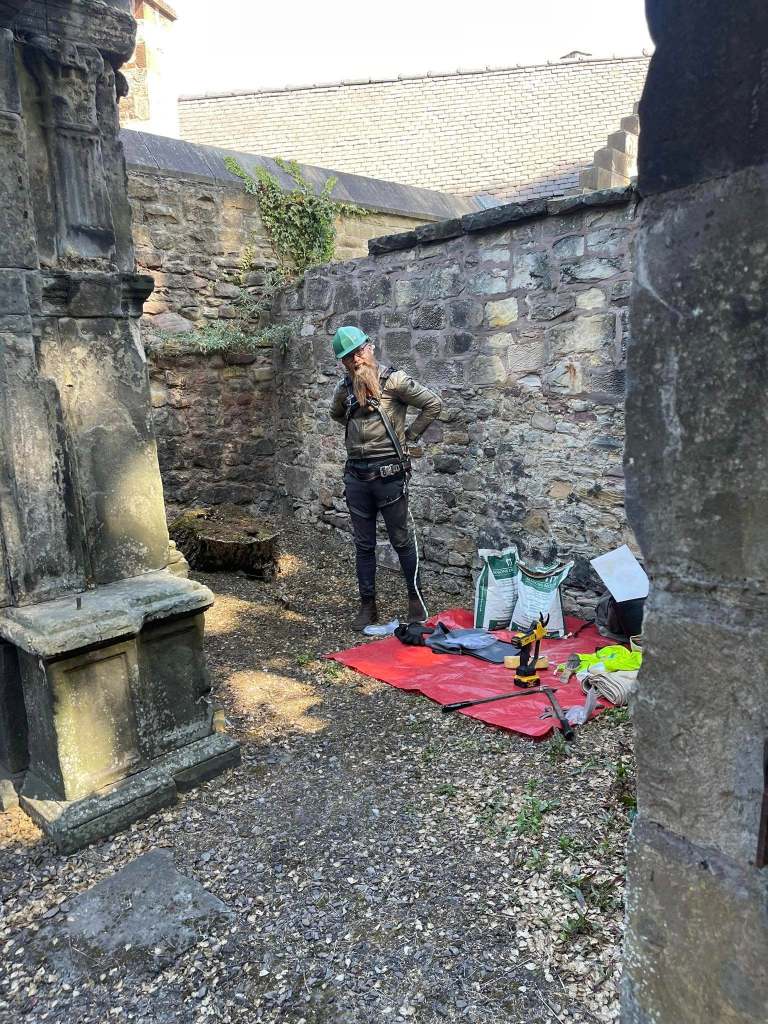
Nic getting ready to start work on the Cherry Picker.

The Bayne Mausoleum, Greyfriars Kirkyard, Edinburgh

Chris presenting to the Stone Conservation Students from Edinburgh University.

The Bayne Mausoleum, Greyfriars Kirkyard, Edinburgh

Moving the Cherry Picker to the optimal position.

The Bayne Mausoleum, Greyfriars Kirkyard, Edinburgh

Work in Progress

The Bayne Mausoleum, Greyfriars Kirkyard, Edinburgh

The Mortar being applied.

The Bayne Mausoleum, Greyfriars Kirkyard, Edinburgh
John Byres of Coates Memorial, Greyfriars Kirkyard, Edinburgh
History, People, Symbolism

John Byres of Coates Memorial

John Byres of Coates memorial at Greyfriars was carved by the Master Mason to The Crown, William Wallace in 1630/31. It is an outstanding example of the grand mural monuments that very wealthy families of Edinburgh commissioned in the period from 1625 – 1637, including Dennistoun, Henryson, Foulis & Bannatyne. Wallace died in 1631 so this was one of his last works, indeed the records of his estate show the debt for the work performed here was unpaid at the date of his death. William Ayton was Wallace’s successor as Master Mason to the Crown and he took on the task of producing these hugely elaborate monuments after 1631. Both Wallace & Ayton were responsible for much of the building of Heriot’s Hospital, a neighbour to Greyfriars, in the late 1620’s, 1630’s & early 1640’s. Ayton died in 1643.

John Byres was a successful money lender & landlord in the prosperous years of James VI’s reign. He lived on the High Street before he bought the Coates estates (the land just north of Haymarket Station in Edinburgh) and built a huge house with his wealth (that still stands today). John chose to commission the finest craftsman to create the most elaborate memorial, unmatched by anything that went before it. The design chosen is rich in complex symbolism which requires a lot of careful consideration to piece the whole meaning together.

John Byres of Coates Memorial, Greyfriars Kirkyard, Edinburgh

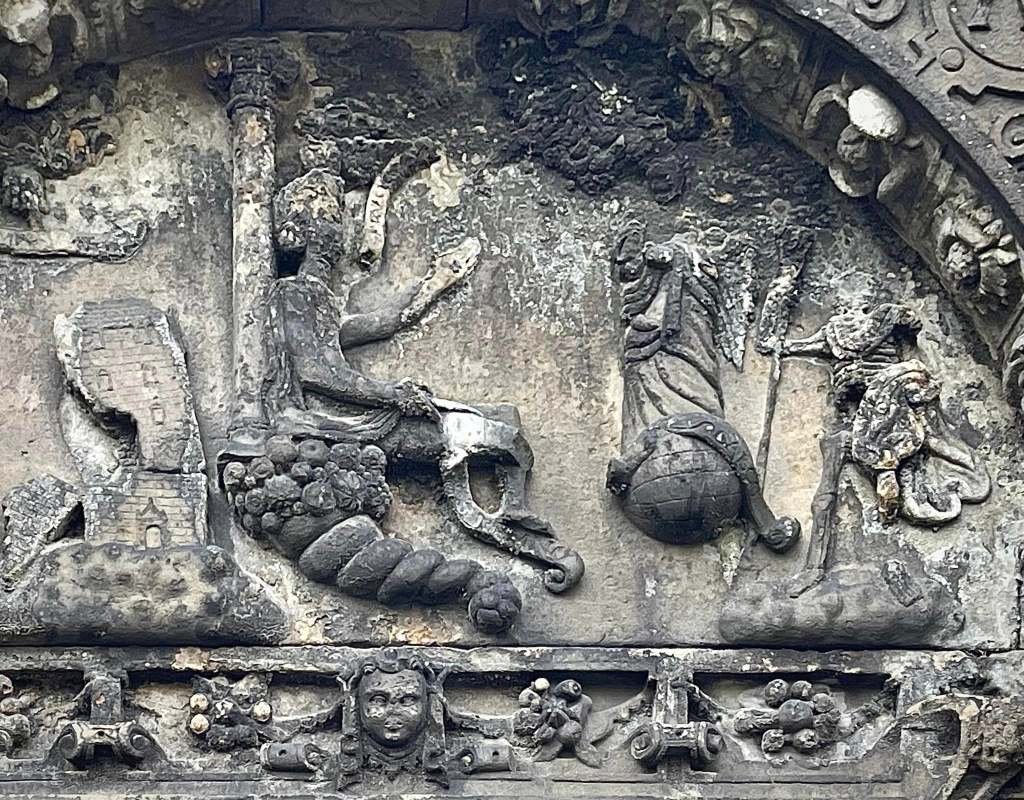
We are presented with a figure sitting on a Cornucopia with their back against a pillar, reaching out towards a winged figure standing on a sphere. Is that a book in their lap ? Death figures flanks the scene, carrying their darts & a burial shroud. A crumbling Tower refers to the Tower of Babel which speaks of man’s inability to reach heaven before they are called by God to do so. The cornucopia is a horn of plenty, overflowing with foods, fruits & flowers. There are arrangements of baskets of fruits, flowers & foliage all around the scene.

The overall message appears to be that death will arrive to take us, only then the righteous will be able to reach heaven above to enjoy the bountiful abundance provided by God. The figure sitting in the cornucopia with their back against a pillar, a book on their lap and reaching outwards. Is this John, or is it a heavenly figure waiting to judge or greet his soul ? Is the pillar a symbol of a steadfast faith & fortitude. Is the cornucopia symbolising a rich & bountiful life, or the promise of such in the afterlife. We could read this scene in several different ways and quite possibly that was the intention.

Today the monument is somewhat reduced by having lost its huge finial and the carving rather decayed. But the old photo gives a sense of just how grand this would have been.

Unicorn, Mercat Cross, Edinburgh
History, People, Symbolism

Unicorn?

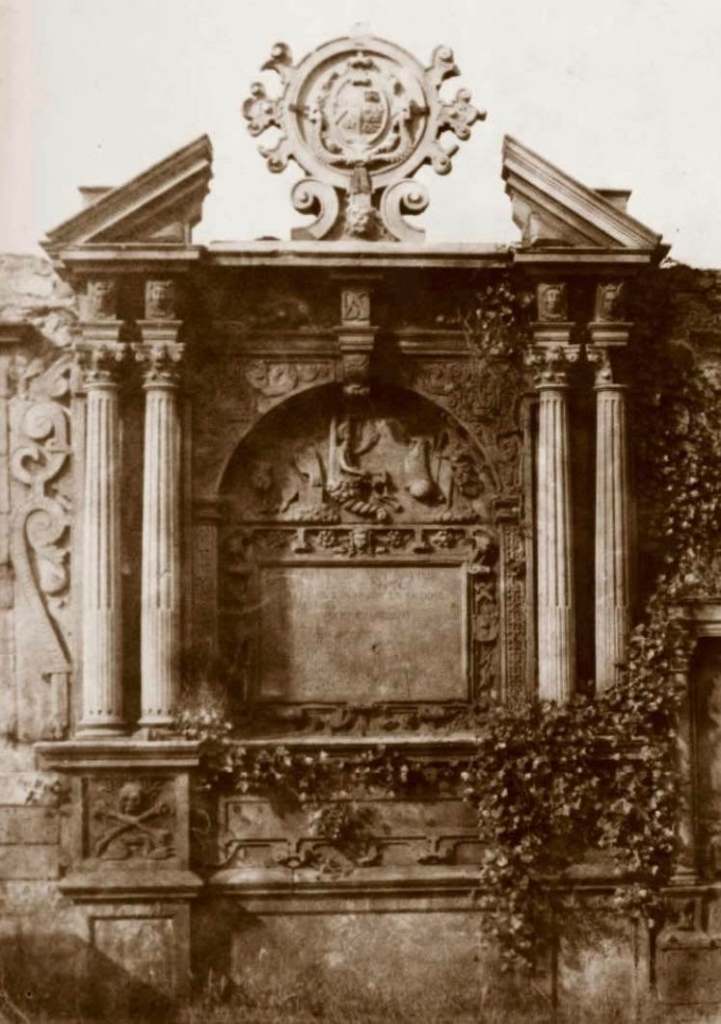
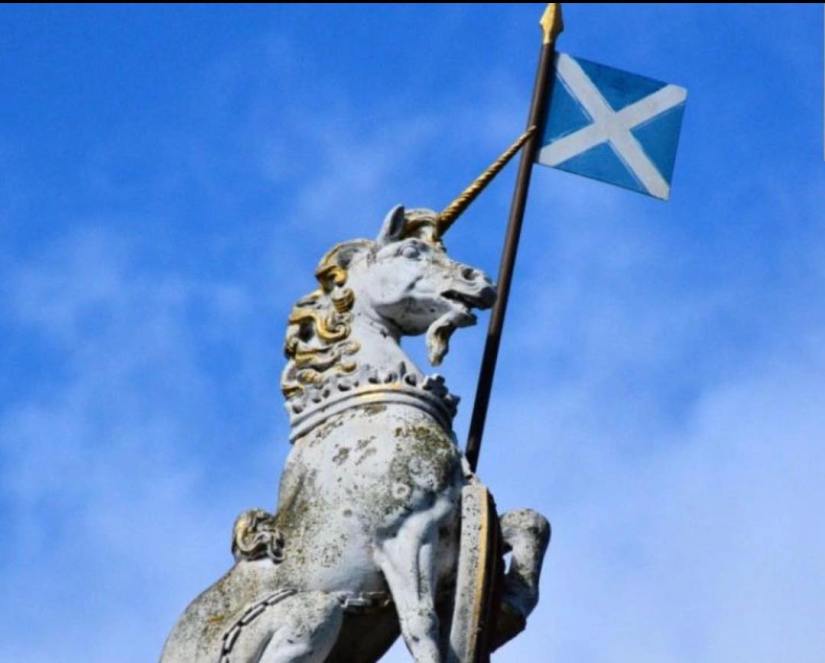
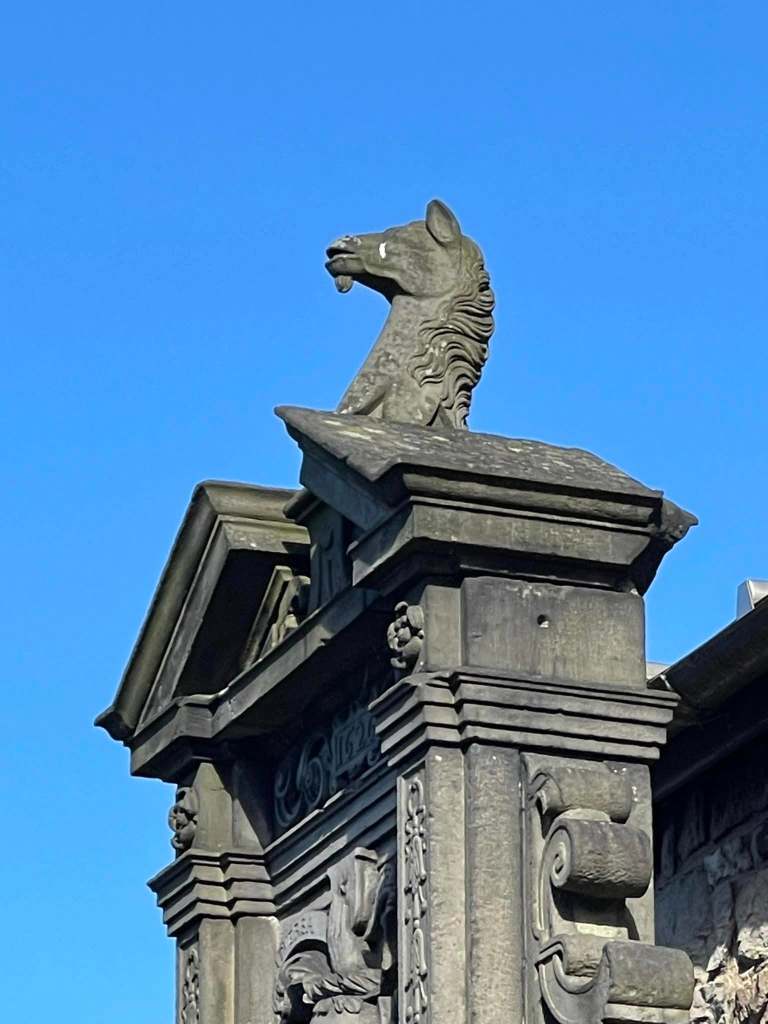
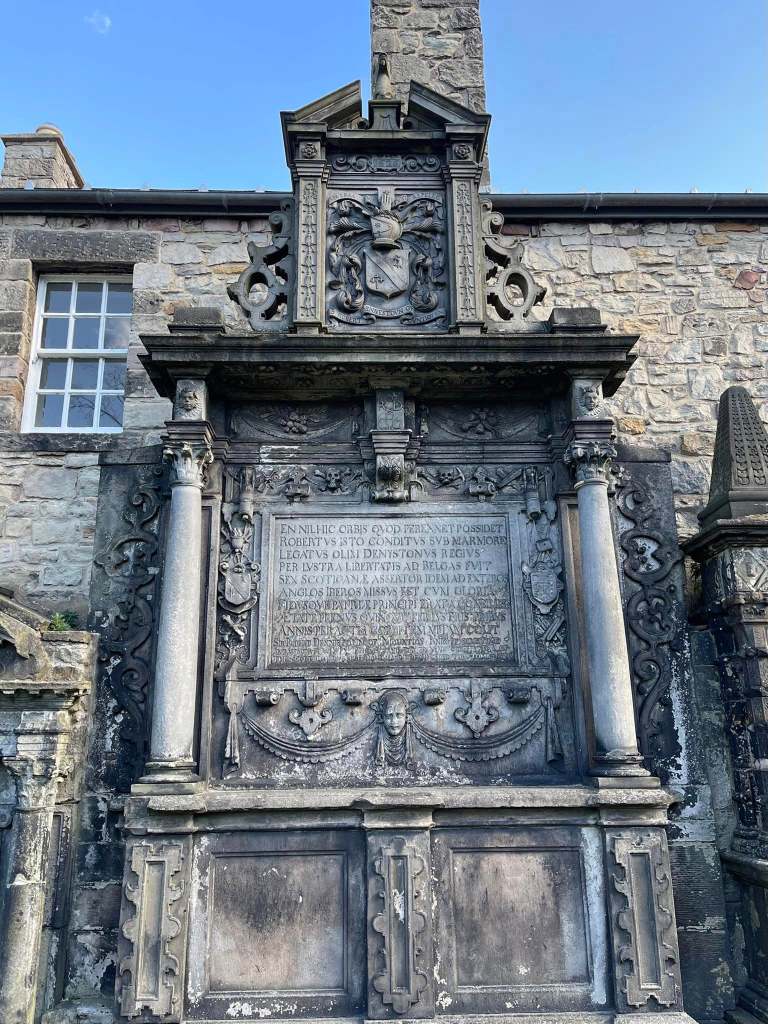
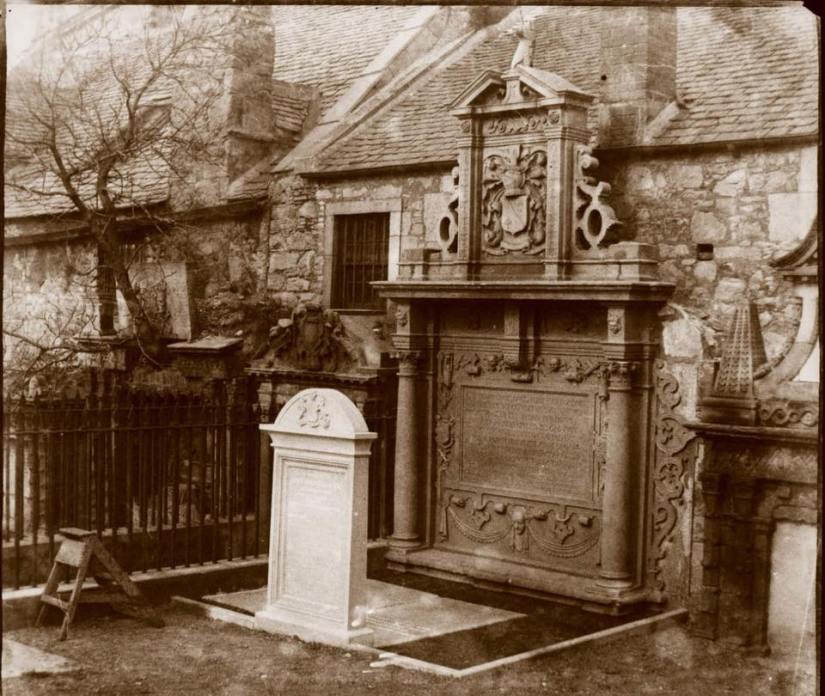
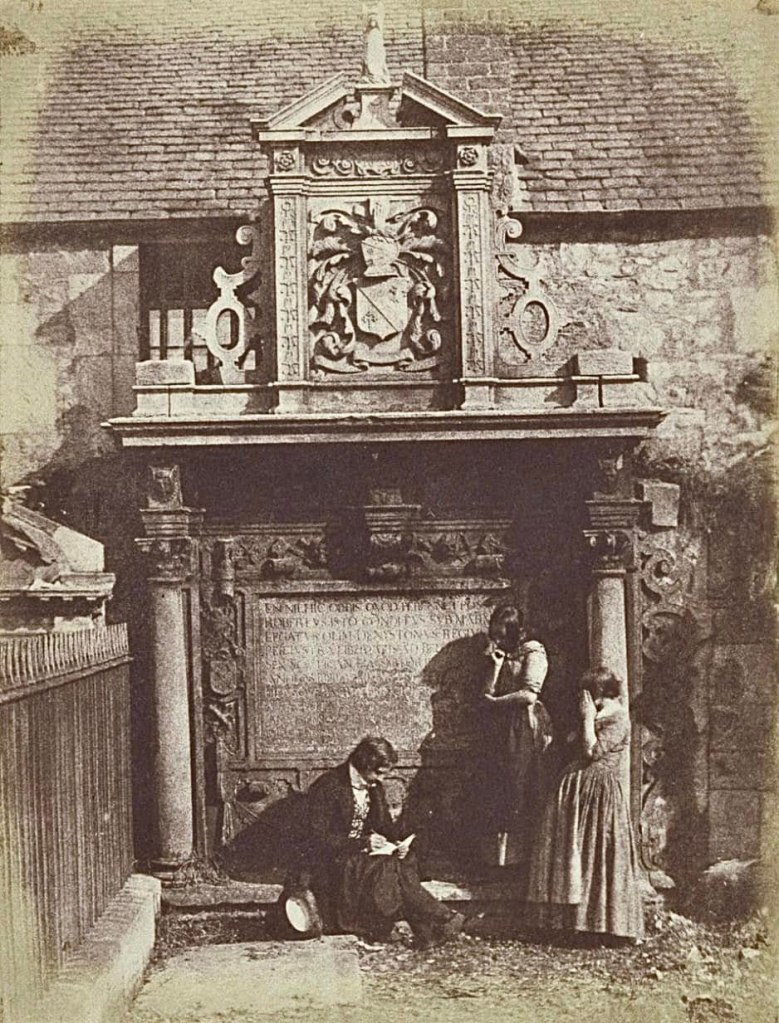
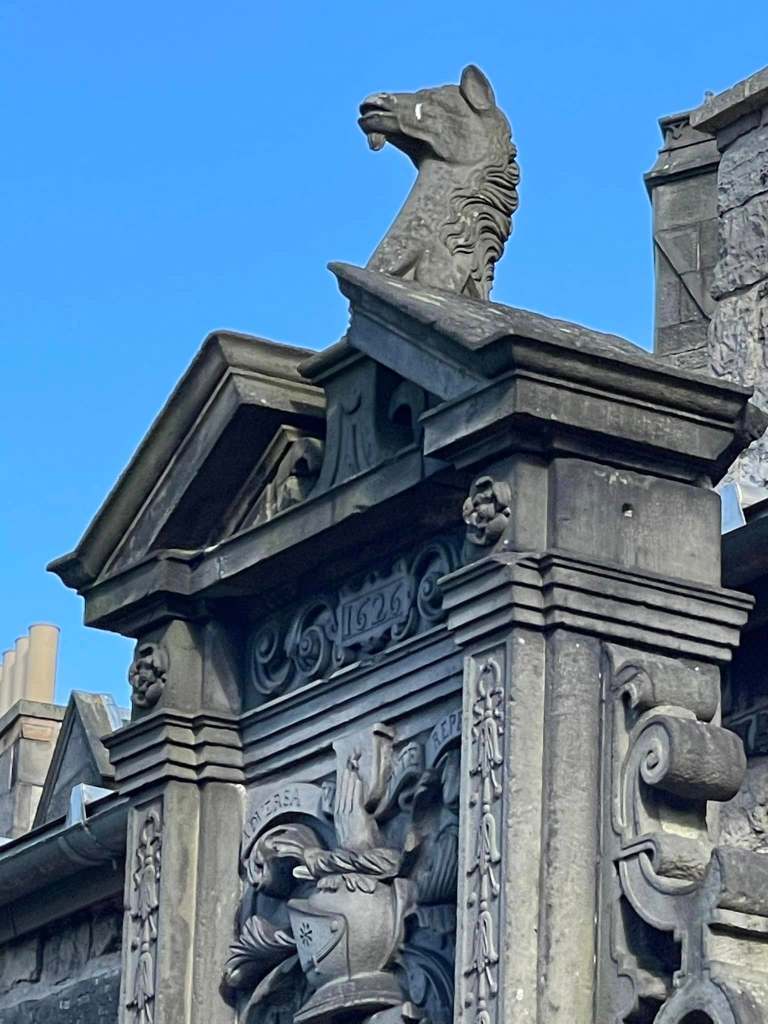
Is it a Unicorn that stands on top of The Dennistoun Memorial at Greyfriars ? Naturally it would have needed a single horn to be a Unicorn, but such a delicate appendage could easily have fallen off since the monument was erected in 1626. Perhaps the beard is a clue as Unicorns are traditionally depicted with a beard. In the 19thC photo there is the suggestion of a horn, but it’s a low resolution image and I may well be seeing things. The Unicorn as the National Animal Emblem of Scotland was very prevalent in the 17thC, appearing on top of Mercat Crosses all over Scotland. The example below is from The High Street Mercat Cross in Edinburgh. Dennistoun was a Scottish Ambassador so may well have been very fond of the Unicorn symbol. What do you think ?

Unicorn, Mercat Cross, Edinburgh
The Dennistoun Memorial, Greyfriars Kirkyard, Edinburgh
19th Century photo of The Memorial
The Dennistoun Memorial, Greyfriars Kirkyard, Edinburgh
History, People, Symbolism

The Dennistoun Memorial

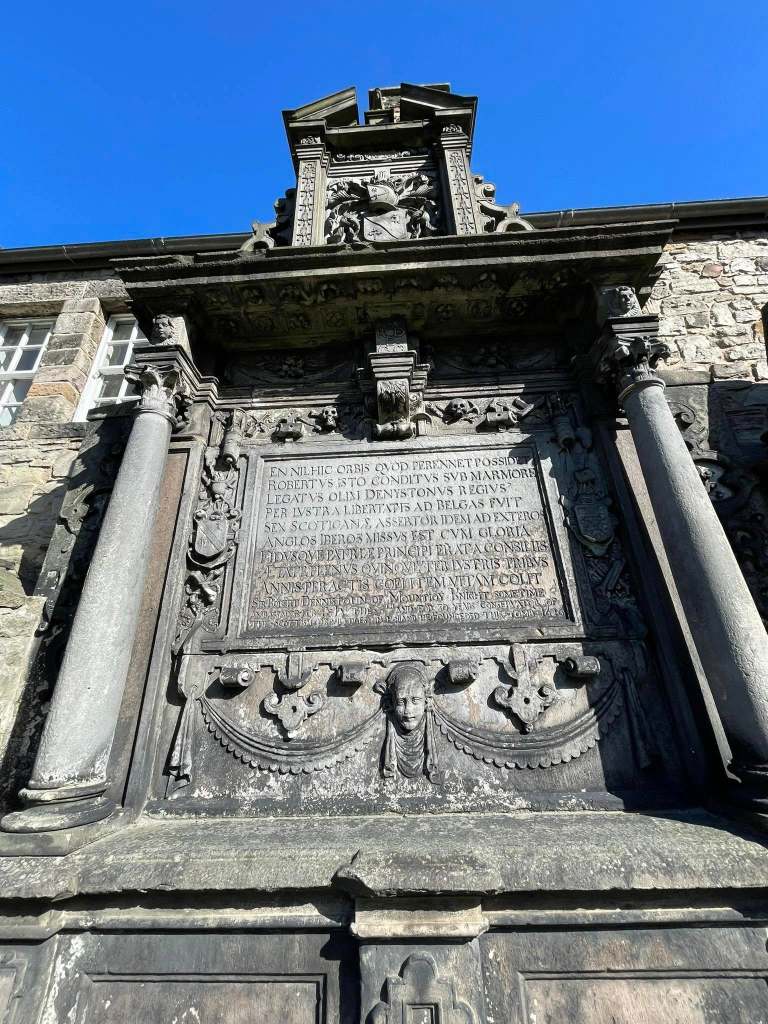
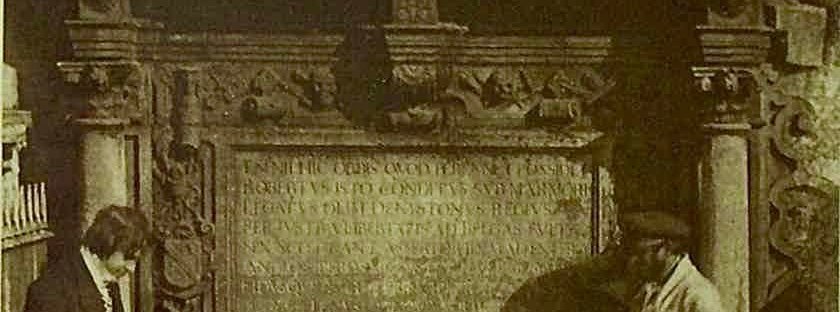
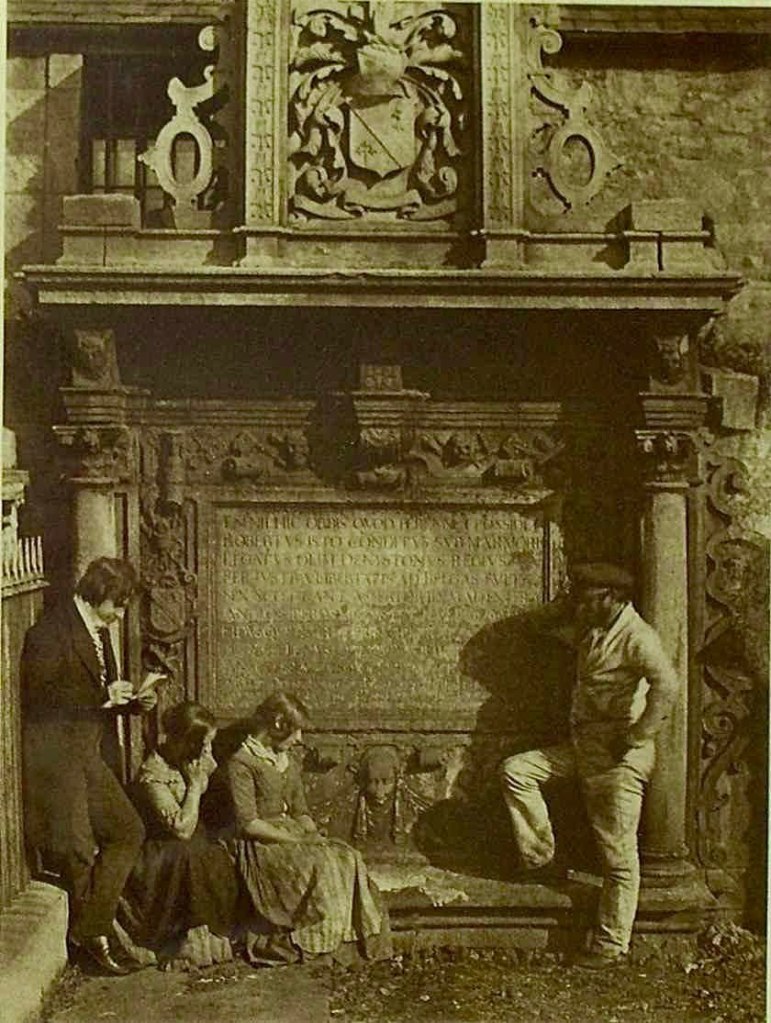
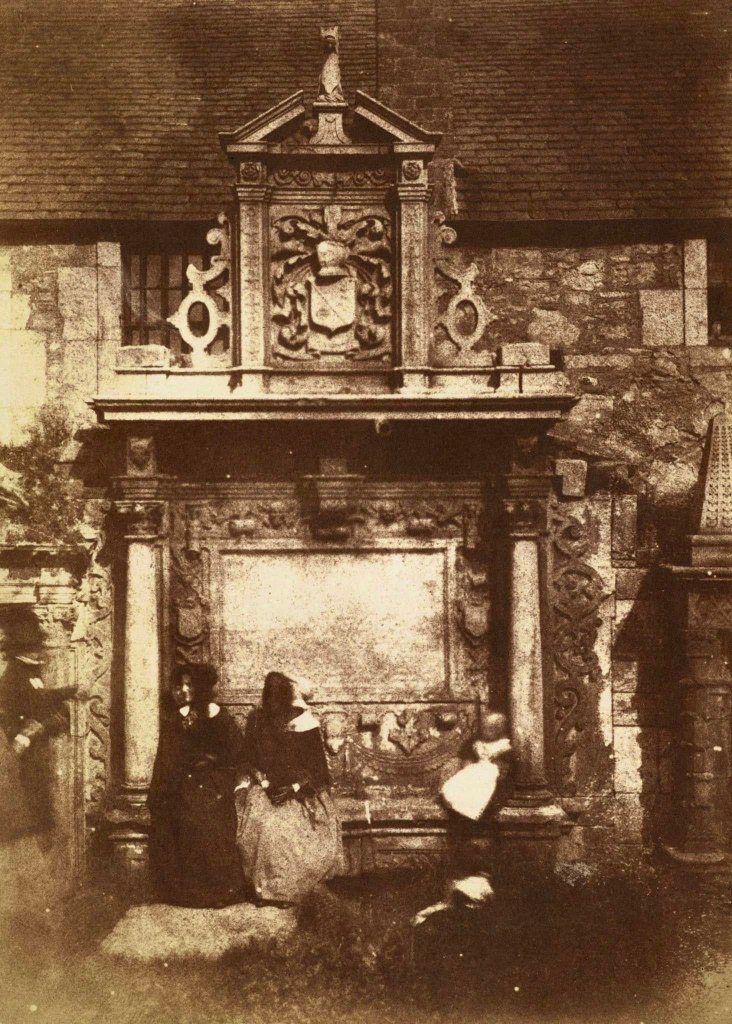
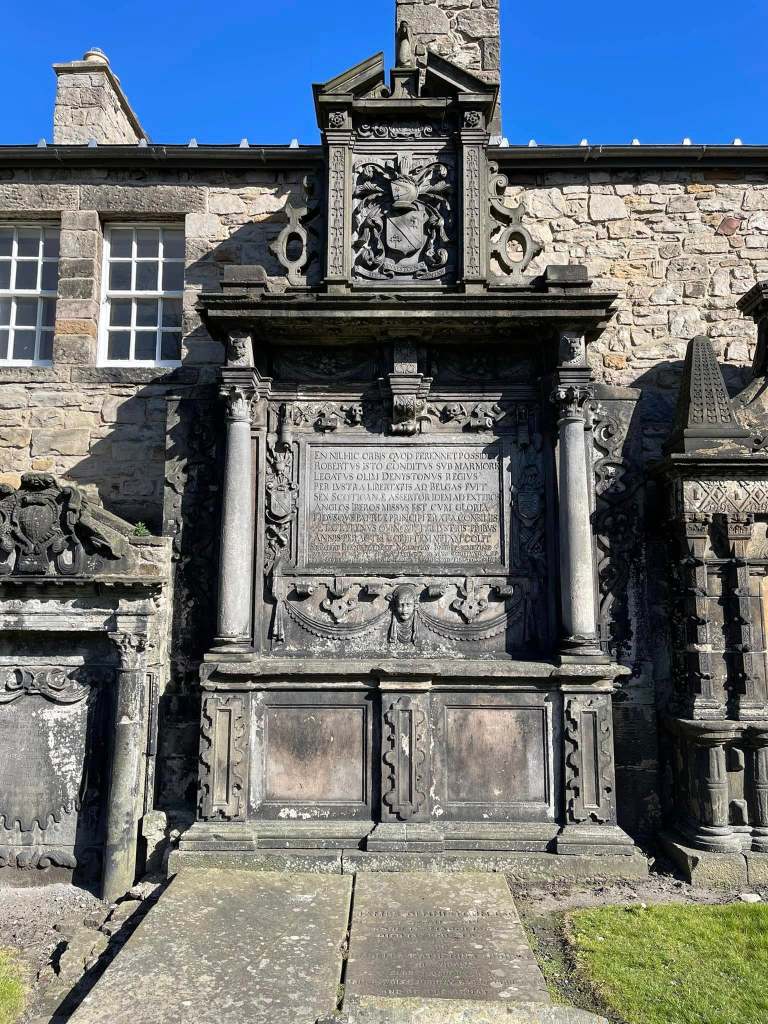
The Dennistoun Memorial is one of the most eye catching on the East Wall of the Kirkyard. As a result it was a particular favourite of early Edinburgh photographers such as David Octavius Hill and Robert Adamson. The memorial is dated 1626 and when raised it certainly broke new ground on the design of mural monuments at Greyfriars. Before this one, all of the earlier mural monuments are relatively conventional and quite formulaic. But Sir Robert Dennistoun had spent 30 years in Holland absorbing the style and designs that flourished there. He must have brought those ideas and images back to Scotland and used them to heavily influence the style of his own monument. I believe William Wallace was the Master Mason on this work, taking over from John Simpson who had carved the earlier examples on the East Wall between 1610 and 1620 which all are niche tombs with pilasters (where the columns are integrated in the stonework and not separate load bearing columns). This style was a copy of monuments that the wealthy had commissioned inside the Churches of Scotland for a century or more before the Reformation, often with an armour wearing Knight lying in the niche.

William Wallace brought a great deal more grandeur, flair and symbolism to his work than Simpson had done. Wallace was the first to feature magnificent freestanding columns carved from a single separate piece of stone. On the Denniston he carved one column on each side of the monument with great visual impact. Later monuments went one better and chose to arrange such columns in pairs, so having 4 in total on John Byres of Coates, Henryson, Foulis & Bannatyne. All of these monuments adopted the same extensive strap work, flamboyant & provocative symbolism with large winged spirits. These are unquestionably the finest 17th century outdoor monuments in Britain, with Dennistoun and his extensive Dutch influences playing a big part in this.

The Dennistoun Memorial, Greyfriars Kirkyard, Edinburgh
The Dennistoun Memorial 1860

When first installed the Dennistoun Monument was lower to the ground. Sometime in the later 19thC the monument and others adjacent to it were raised up by adding a higher base layer. This increased their grandeur to be on a par with those on the west wall and made it less easy for people to sit on them like appears on this photograph from 1860.
The Dennistoun Memorial, Greyfriars Kirkyard, Edinburgh

That young child to the right & the faceless woman to the left are a bit disconcerting.

The Dennistoun Memorial, Greyfriars Kirkyard, Edinburgh

You can see here how the base platform has been added which doesn’t appear on the earlier black & white photos taken in the mid 19th century.

The Dennistoun Memorial, Greyfriars Kirkyard, Edinburgh

This image features David Octavius Hill & his nieces.

The Dennistoun Memorial, Greyfriars Kirkyard, Edinburgh

This shows how Denniston stands out from the slightly earlier monuments to each side. They lack the monolithic columns and extravagant symbolism that are so powerfully deployed by William Wallace on Denniston.

The Dennistoun Memorial, Greyfriars Kirkyard, Edinburgh

The grand heraldic tympanum complete with horse’s head on top of Dennistoun.

The Dennistoun Memorial, Greyfriars Kirkyard, Edinburgh

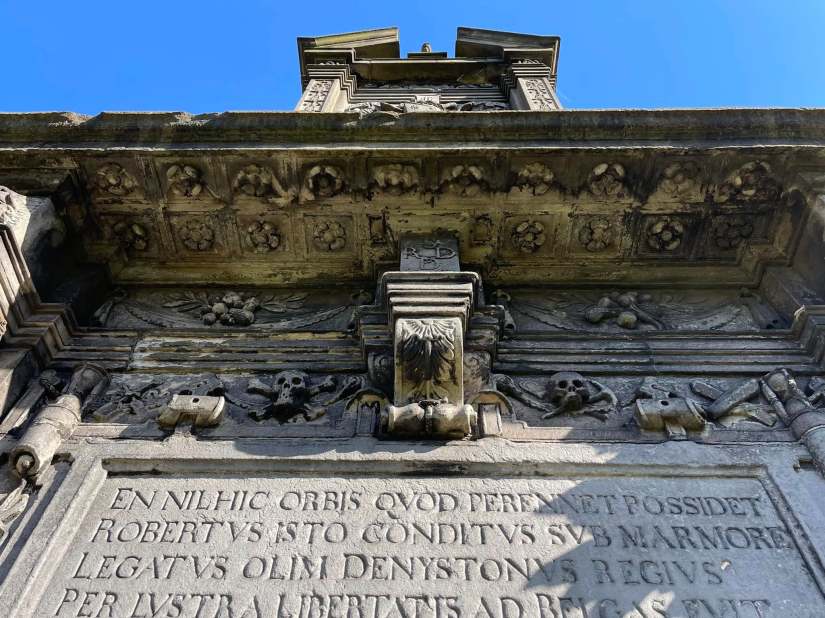
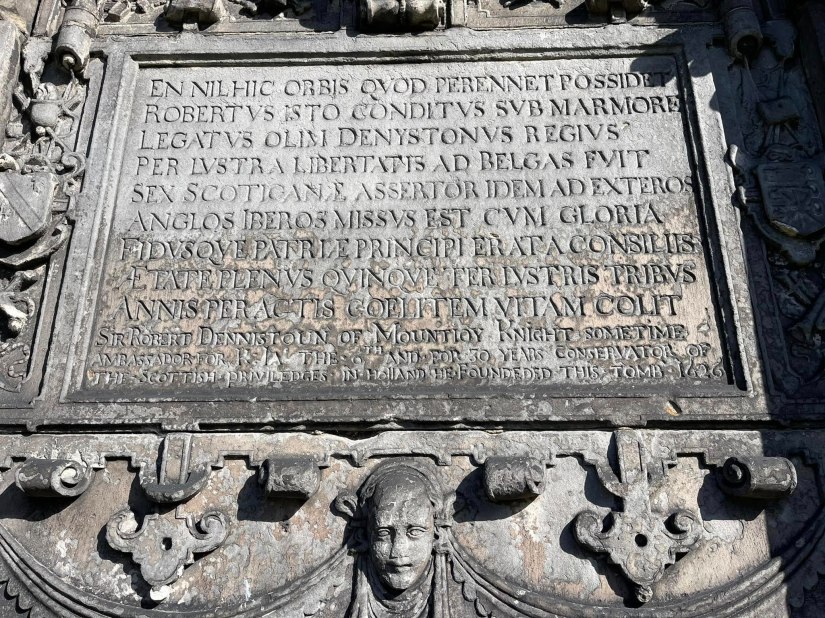
The inscription tells us that “the world possesses nothing permanent”. The symbolism on show here is far greater and more powerful than those on the earlier monuments on the east wall.

The Dennistoun Memorial, Greyfriars Kirkyard, Edinburgh

The inscription tells us in English that Sir Robert Dennistoun spent 30 years in Holland.
The Dennistoun Memorial, Greyfriars Kirkyard, Edinburgh

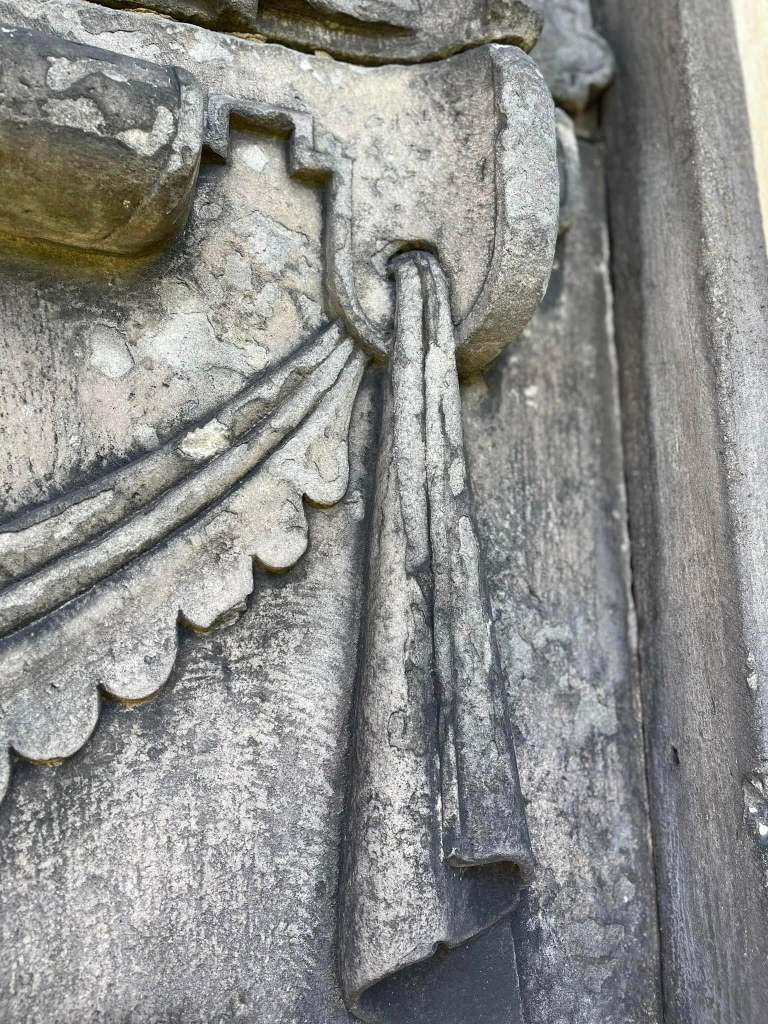
Exquisite detailing showing the skills of the Master Mason.
The Dennistoun Memorial, Greyfriars Kirkyard, Edinburgh

This is a particularly enduring & enigmatic figure on the Dennistoun.